If you’re planning a trip to the United States and need to apply for an ESTA (Electronic System for Travel Authorization), knowing your point of contact in the U.S. is essential. The ESTA application is part of the Visa Waiver Program, which allows citizens from certain countries to travel to the U.S. without a visa for tourism or business stays of 90 days or less. This article explores the importance of having a point of contact in the U.S. when filling out your ESTA application.
What is ESTA and Why is a Point of Contact Necessary?
The ESTA system was implemented to enhance security and streamline entry into the U.S. A crucial component of your application involves providing a point of contact within the country. This could be a friend, family member, hotel, or any organization where you will stay or visit during your time in the U.S.
Having a point of contact helps U.S. Customs and Border Protection (CBP) maintain accurate records of who is in the country and assists in emergencies or visa issues. If an authority needs to reach you for any reason, such as clarifying information about your stay or health-related inquiries, your point of contact serves as a crucial link.
How to Accurately Provide Your Point of Contact Information
When filling out your ESTA application, you are required to provide specific details about your point of contact. This includes their name, address, and phone number. Make sure you enter accurate and current information. If plans change and you decide to stay somewhere else after submitting your ESTA application, it’s crucial to update this information as soon as possible.
The process can feel overwhelming for first-time travelers, but that’s where resources like the ESTA Online Center come into play. The Online Center not only facilitates applications but also offers guidance on how to fill them out correctly, including entering a proper point of contact. Always remember: having an updated and reachable point of contact can streamline your travel experience in numerous ways.
Many travelers overlook this critical component, thinking it’s just another formality. However, it’s vital for ensuring that they have someone reliable they can turn to if something doesn’t go as planned during their trip. Failure to provide correct information could lead to issues with your travel authorization.
If you find yourself unsure about what information to provide or how to find a suitable point of contact for your ESTA application, consider reaching out through available help sections on official websites or discussion forums where experienced travelers can share their advice.
In summary, when applying for an ESTA, don’t neglect the importance of choosing and entering accurate information regarding your point of contact in the U.S.; it’s an essential aspect that will facilitate smoother entry into the country and ensure timely communication between customs officials and yourself while you’re there .
Final Thoughts on Your ESTAs Point of Contact
The ESTA application is more than just a form; it’s part of a larger system designed to enhance security while allowing legitimate travelers easy access to the U.S. Understanding how to manage important details like your point of contact can turn potential roadblocks into smooth sailing as you explore America’s vast landscapes or visit loved ones.
Examples of Effective Points of Contact
When selecting a point of contact for your ESTA application, consider someone who is well-versed with local protocols and can assist you if necessary. For instance, if you’re traveling for business purposes, having an employer or colleague listed as your point of contact could prove advantageous. They might better understand contractual obligations or potential legal requirements surrounding business visits.
If you’re visiting family or friends, using their address allows CBP to more easily verify where you’re staying, enhancing credibility in case they need to reach out regarding unexpected situations. For hotels or temporary accommodations, ensure that they are informed about being listed as your point of contact; this can create smoother communication should any issues arise during your stay.
Furthermore, think about utilizing local services like hotels that offer concierge services because they often have additional knowledge about traveler safety and emergency contacts that might benefit you during unforeseen circumstances. Local representatives who are familiar with tourist areas can provide not just accommodation support but also local insights upon request.
Understanding these dynamics not only fulfills ESTA requirements but also enhances your overall travel experience by ensuring both peace of mind and logistical ease throughout your journey, especially when you have a reliable point of contact esta for assistance.
So before hitting “submit” on your ESTA application, take a moment to double-check all entries—including that important point of contact—to ensure everything aligns perfectly with your travel plans.
Common Misconceptions About ESTA Points of Contact
Despite the growing familiarity with the ESTA (Electronic System for Travel Authorization), numerous misconceptions persist surrounding its point of contact requirement. Many travelers mistakenly believe that providing a point of contact is merely a bureaucratic formality, without any significant implications for their travel. In truth, this information serves not only as a regulatory checkbox but a crucial lifeline that the U.S. government can utilize in case of emergencies or inquiries regarding a traveler’s whereabouts.
Another common myth is that travelers are obligated to provide information for a specific person residing in the U.S. While it is recommended to name someone who can assist you during your stay, it is not strictly necessary to choose an American citizen or resident. In fact, many visitors opt for local businesses they have booked accommodations with, such as hotels or vacation rentals. What truly matters is that the contact provided is reliable and responsive, ensuring that communication can occur efficiently if needed.
The Role of Technology in Managing Point of Contact Information
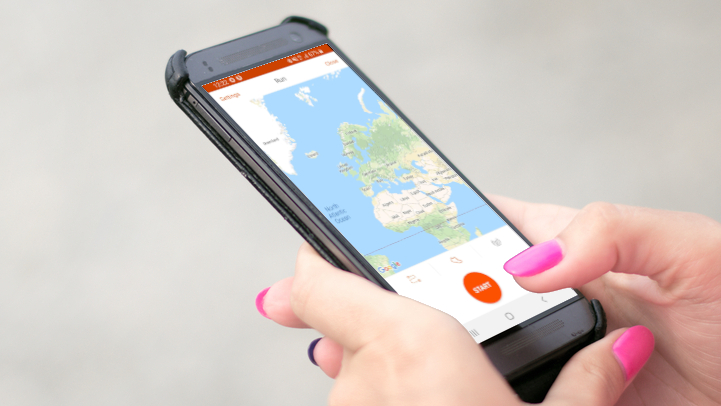
The evolution of technology has significantly changed how travelers manage their ESTA point of contact information. With mobile apps and travel management tools, it is now easier than ever to maintain and track important details linked to your travel plans. For instance, dedicated travel applications often allow users to store all relevant travel documents, including ESTA approvals and emergency contacts in one place. This centralized approach streamlines communications should an emergency arise during your trip.
Moreover, technology offers real-time updates on travel advisories and potential risks that may affect your stay in the U.S. These tools encourage proactive communication with your point of contact, allowing travelers to adjust their plans or seek assistance swiftly if something unexpected occurs—whether that’s a weather disaster or health-related emergencies. Embracing these technological advancements can ensure your point of contact remains effective in fulfilling its purpose when it’s most needed.
Understanding the Importance of Choosing an Appropriate Point of Contact
Selecting the right point of contact plays a pivotal role in ensuring safe and stress-free travel experiences under the ESTA program. Your chosen individual or entity should ideally possess local knowledge and accessibility to offer support relevant to your trip. For example, if you’re traveling for business purposes, consider connecting with a colleague based locally who could assist you with any industry-specific needs or provide context on regional business practices.
Understanding logistical dynamics enhances not only compliance with visa requirements but can also greatly impact the enjoyment and success of your travels. If you encounter an issue while abroad—be it related to health services or legal matters—a well-informed point of contact can provide immediate assistance or guidance to navigate these challenges adeptly. Taking this step seriously means preparing not just for an adventure but safeguarding against unforeseen complications that may arise during your stay in the United States.
The Consequences of Incorrect Point of Contact Information
Providing inaccurate or incomplete information regarding your point of contact can lead to significant complications. In the case of emergencies, whether medical or logistical, authorities may struggle to reach someone who can assist or advocate for you. This can result in delays that heighten the stress of an already challenging situation. Additionally, law enforcement and other agencies require swift and reliable communication, and miscommunications due to incorrect contact details could worsen critical incidents.
Moreover, some travelers have reported facing complications when trying to extend their stay or adjust their visa status due to errors associated with their point of contact information. Such errors can reflect poorly on your travel record and may complicate future entry into the United States. Thus, it is paramount to invest time in verifying the reliability and accuracy of your designated point of contact.
Best Practices for Maintaining Your Point of Contact Information
Regularly updating your point of contact information is essential, especially if you change your travel plans or accommodations frequently. One best practice is to establish a protocol for communicating changes to your chosen contact as soon as they occur. This ensures that all relevant parties have the correct information readily at hand. Furthermore, consider discussing potential emergency scenarios with your point of contact beforehand, allowing them to prepare for any urgent responsibilities they might need to undertake on your behalf.
Additionally, leveraging technology can help manage this aspect efficiently. Applications that store important traveler information securely can provide reminders for updates or changes in contact information. These tools not only streamline communication but also enhance the overall safety of your travel experience by ensuring that necessary contacts remain informed and reachable at all times.