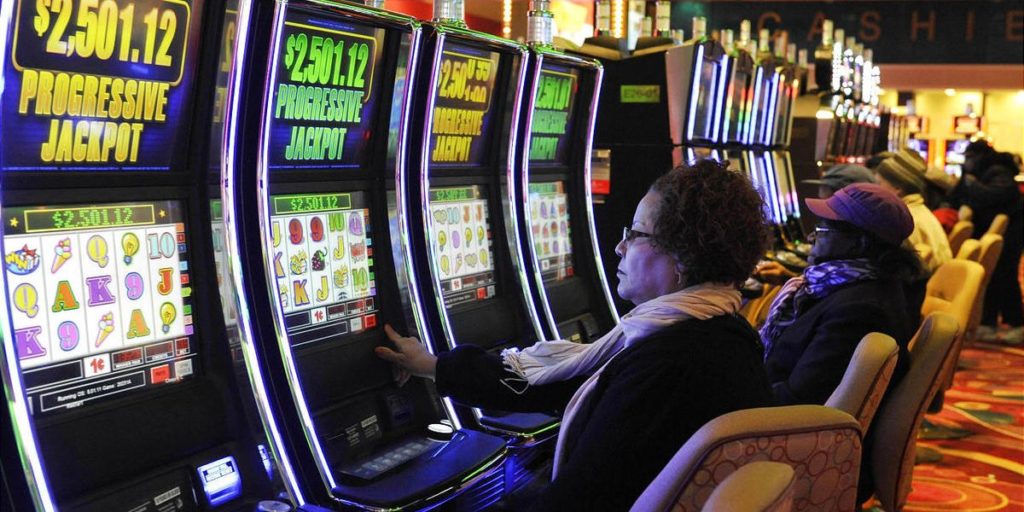

Online Gambling: Your Blueprint to Real Wins and Nonstop Thrills
Tired of long drives and crowded venues just to place a bet? Online gambling lets you play your favorite casino games or bet on sports right from your couch in seconds. It offers 24/7 access to any game you like, with instant deposits and withdrawals that put you in control. Just sign up, pick a game, and start playing for real stakes without ever leaving home.
The Digital Betting Revolution: How Technology Reshaped Wagering
The digital betting revolution transformed wagering from a location-bound event into an always-available mobile activity. Live betting now lets you adjust stakes as a match unfolds, while cash-out features lock in profits or cut losses before the final whistle. One-click deposits and instant withdrawals remove friction, making the entire process feel seamless. Streaming feeds are often embedded directly into the betting interface, so you watch the action and place wagers on the same screen. The betting slip remembers your preferred stake sizes and favorite markets, eliminating repetitive data entry. This technology-driven evolution prioritizes speed and convenience, turning a once-static hobby into an interactive, real-time experience that fits squarely in your pocket.
From Dial-Up to 5G: A Timeline of Virtual Casinos
The progression from dial-up to 5G directly shaped the virtual casino experience. Early 56k modems forced players into text-based poker rooms with agonizing load times, often losing connection mid-hand. The shift to broadband enabled flash-based slots and live dealer feeds, while 4G LTE turned mobile gambling into a seamless, on-the-go activity. Now, 5G’s ultra-low latency allows real-time, camera-synced blackjack with no perceptible delay, mimicking a physical table’s pace. This timeline of virtual casinos reveals each network generation eliminated a friction point—loading, lag, or mobility—making gameplay progressively more immersive. Q: Did dial-up completely prevent live dealer games? A: Yes, live streaming requires at least 4G speeds; dial-up could only support basic HTML interfaces with no video or real-time interaction.
Key Tech Drivers: Random Number Generators and Live Streaming
Random Number Generators (RNGs) ensure digital dice, slots, and card shuffles behave unpredictably, replicating physical randomness through algorithmic seed values and continuous entropy harvesting. Live streaming merges real-time video feeds with low-latency data transmission, allowing users to wager on physical tables or dealer interactions from anywhere. The logical flow: RNGs eliminate human-bias in automated games, while live streaming transports the tactile trust of brick-and-mortar betting into remote interfaces. Does live streaming override RNGs for fairness? No—streaming’s integrity depends on separate capture hardware and encryption, while RNGs remain exclusive to software-generated outcomes. Both drivers converge to create distinct risk profiles: RNGs demand rigorous audit trails, streaming requires bandwidth consistency to prevent lag-induced disputes.
Mobile Dominance: Why Smartphones Became the Primary Platform
Smartphones became the primary platform because they put the entire betting experience in your pocket. You can place a wager from the couch, during a commute, or while watching the game live. The touchscreen makes navigating odds and placing bets feel intuitive, while push notifications keep you locked into action instantly. Anytime, anywhere wagering removed the need to sit at a desktop, turning spare moments into opportunities to bet. This shift happened because phones offer always-on convenience, from loading a sportsbook to cashing out mid-game, all with a thumb tap.
Navigating the Legal Labyrinth: Jurisdictions and Regulations
For the player, navigating the legal labyrinth of online gambling starts with your physical location. Your IP address dictates which digital doors open, as jurisdictions enforce distinct geoblocks. A platform licensed in Curacao may be instantly inaccessible from a state with strict local laws. Therefore, verifying a site’s jurisdictional acceptance before depositing is not optional—it is the first practical check to avoid frozen accounts or lost funds. Always consult your local laws, not the casino’s homepage, to determine your actual legal standing within this complex regulatory web.
Licensing Hubs: Malta, Gibraltar, and the UK Gambling Commission
When choosing an online casino, the license tells you who to trust. Licensing hubs like Malta, Gibraltar, and the UK Gambling Commission set the gold standard for player protection. A Malta Gaming Authority (MGA) license ensures fair play and a legal dispute route. Gibraltar offers a robust, tax-efficient framework for operators, often reflecting high corporate standards. The UKGC is the strictest, mandating deposit limits and self-exclusion tools for local players. Playing at a site from these hubs is your best practical check for safety and accountability.
- Always verify an operator’s MGA, Gibraltar, or UKGC logo by clicking it to see the official license number.
- UKGC-licensed sites legally require you to set a deposit limit before you can play.
- Gibraltar-licensed casinos are common for high-end sportsbooks and poker rooms.
Gray Markets: Where the Law Hasn’t Caught Up Yet
Gray markets in online gambling exist where the law hasn’t yet defined key legal boundaries, creating a precarious zone for players. In these jurisdictions, no specific statute explicitly bans you from wagering, yet no license protects you either. This lack of clarity shifts all risk onto the user. To assess your exposure, follow this sequence:
- Verify that the site accepts players from your region without a local license; this signals a gray market.
- Check if the site’s terms explicitly disclaim liability for legal disputes in your jurisdiction.
- Test its dispute resolution process by reviewing whether it submits to a neutral, non-binding arbitration panel, as unregulated operators often avoid this.
Your primary safeguard is to identify gray market risk factors—such as knowing whether the operator holds a reputable offshore license like Malta or Curaçao, even if your local government ignores it. Without this verification, your funds and winnings lack enforceable legal recourse.
Tax Implications for Winners and Operators Alike
Winners face a direct obligation to report gambling income, with many jurisdictions requiring self-declaration even for international accounts. Operators must navigate complex withholding requirements, often deducting taxes at source before payouts reach players. The classification of winnings—as income or windfall—dramatically alters tax liabilities for both parties, with some regions taxing winnings at a flat rate while others apply progressive brackets. For operators, accurate tax reporting compliance is critical to avoid penalties, as cross-border transactions trigger additional documentation obligations for every payout processed.
Game Variety Beyond Slot Machines
Beyond slots, online gambling offers a diverse playground. Table games like blackjack, roulette, and baccarat let you apply strategy or test betting systems, with live dealer variants streaming real human interaction. Video poker combines slot ease with poker decision-making, while specialty games like bingo, keno, and scratch cards provide instant-play alternatives. Sports betting and virtual sports add another huge dimension, allowing you to wager on real events or simulated matches round-the-clock.
Many players find that switching between these formats keeps gambling fresh, as each game demands different skills or luck thresholds.
Exploring these options lets you pick experiences that match your mood, whether you crave quick results or deeper tactical play.
Virtual Sports Betting: Simulated Leagues and Automated Odds
Virtual sports betting offers simulated leagues where algorithm-driven teams compete in condensed matches, with automated odds adjusted in real-time based on pre-programmed variables. Unlike live sports, these events run continuously, allowing punters to wager on outcomes like match winners or total goals every few minutes. The odds shift dynamically, mimicking real betting markets without external influences. Q: How are virtual sports odds calculated? A: Using randomized algorithms that factor in team strengths, historical data, and probabilities determined by the software provider.
Skill-Based Games: Poker, Blackjack, and the Rise of eSports Wagers
Unlike pure chance slots, skill-based games like poker and blackjack reward strategic decision-making. In poker, reading opponents and managing pot odds trumps luck, while blackjack requires mastering basic strategy and card counting fundamentals. The rise of eSports wagers introduces a new layer, where bettors analyze player form, map knowledge, and patch notes rather than spinning reels. This shift emphasizes skill-based betting decisions over randomness. For gamblers seeking control, these games and eSports markets offer advantage play opportunities, but only for those investing time to learn optimal play.
| Game | Core Skill | Key Factor for Player |
|---|---|---|
| Poker | Bluffing & probability | Opponent tells and position |
| Blackjack | Card counting & deviation | Dealer upcard and deck penetration |
| eSports Wagers | Meta knowledge & team form | Map draft and patch changes |
Innovative Formats: Crash Games, Plinko, and Instant Win Mechanics
Beyond spinning reels, online casinos now offer innovative formats like crash games, Plinko, and instant win mechanics for quick, interactive play. In crash games, you bet on a rising multiplier and cash out before it bursts, while Plinko drops a ball down a peg-filled board for random payouts. Instant win mechanics simply reveal prizes instantly after a click or tap. These formats strip down complexity, letting you dive into action without learning paytables.
Q: What’s the main draw of crash games and Plinko over traditional slots?
A: They combine short rounds with player control—deciding when to cash out in crash games or watching ball physics in Plinko makes each round feel hands-on and unpredictable.
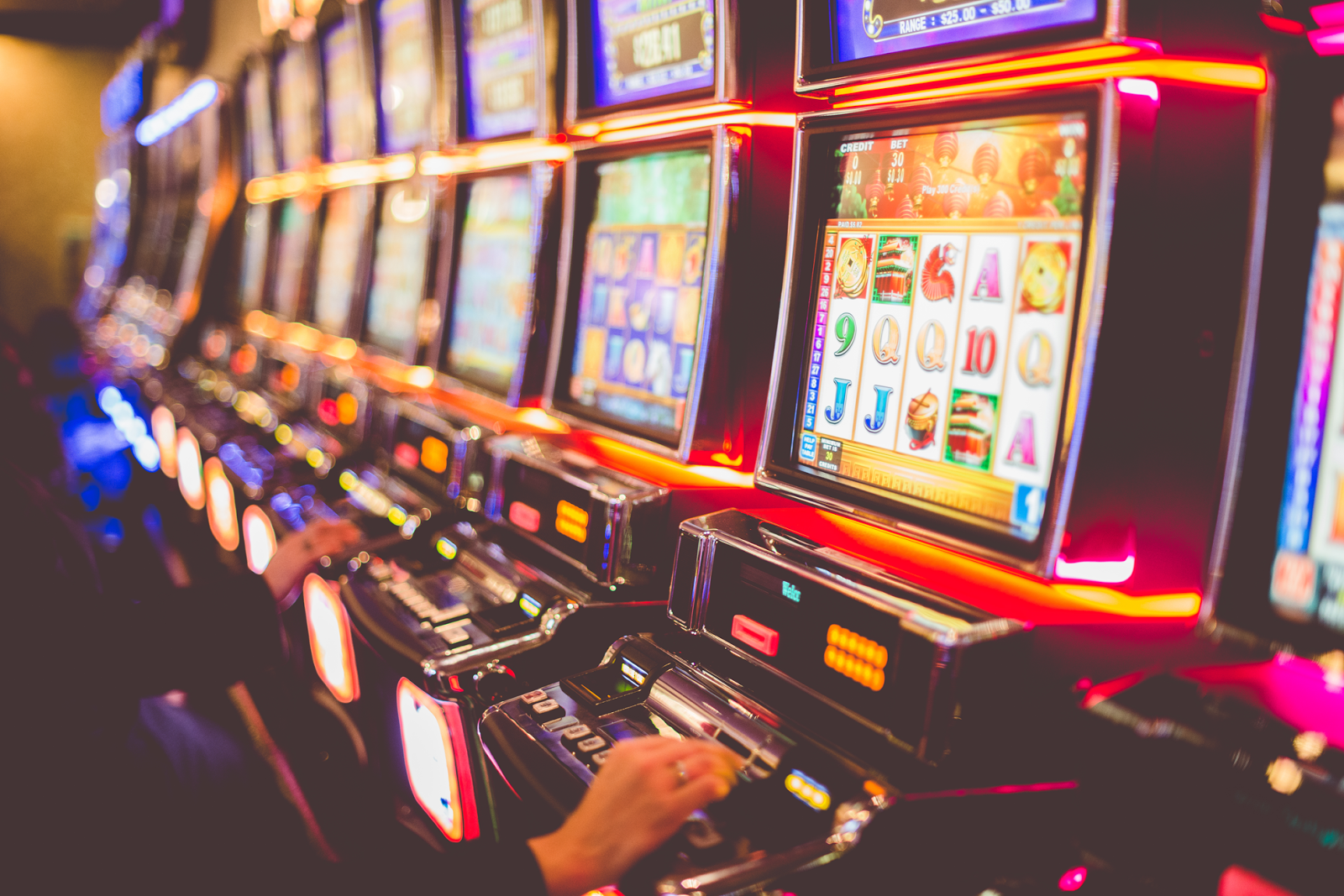
The Psychological Pull: What Keeps Players Clicking
The psychological pull of online gambling hinges on variable rewards, where unpredictable wins trigger dopamine release, creating a potent cycle of anticipation and compulsion. Near-misses, where the outcome barely fails, amplify this drive by reinforcing the illusion of skill or imminent success.
The “loss-chasing” effect, fueled by the sunk cost fallacy, convinces players that continued play will recoup losses, overriding rational decision-making.
Additionally, immersive features like auto-play and persistent notifications lower friction, while micro-timing of wins—frequent small payouts—maximizes engagement. The continuous, isolated environment of a screen heightens focus, diminishing awareness of time and escalating the emotional stakes with each click.
Near-Miss Effects and Dopamine Loops in Digital Play
Near-miss effects in online slots hijack the brain by making a loss feel like a win, triggering potent dopamine loops in digital play. When reels stop just one symbol short of a jackpot, the neural reward system fires almost identically to a real payout. This engineered deception keeps players spinning, as each near-miss primes the brain to anticipate an imminent victory. The rapid, repetitive cycle of near-losses and minute wins creates a closed feedback loop, overriding rational judgment and compelling sustained engagement. Understanding this cognitive trap is key to recognizing how game design exploits biological reward pathways to prolong play.
Loss Aversion Chasing Behavior and the Sunk Cost Fallacy
The terror of a loss feels twice as potent as the joy of a win, fueling a frantic chase to erase red ink. This loss aversion chasing behavior is amplified by the sunk cost fallacy, where players remain trapped in a losing session, convinced that abandoning their invested time and money renders the prior loss a waste. Instead of cutting losses, they irrationally increase bets to “get back to even,” a cognitive trap that deepens financial holes rather than filling them.
- Doubling down on a losing streak to avoid the emotional sting of a permanent loss.
- Refusing to quit because walked-away money feels like a “wasted” investment already lost.
- Justifying further deposits with the false logic that the next spin must “pay back” past losses.
Personalization Algorithms: How Sites Tailor Temptation
Personalization algorithms scan click patterns and session duration to pinpoint exactly which loss-chasing scenario or near-miss triggers your dopamine. They dynamically adjust the game lobby, highlighting a slot with a 97% payout that you abandoned mid-session, while suppressing low-volatility options you previously favored. This tailored temptation ecosystem recalculates in real-time, serving a no-deposit bonus for the exact card game you played at 2 AM, not a generic one. The interface subtly rearranges itself to keep you in a calibrated risk-reward loop, exploiting your unique behavioral vulnerabilities.
Responsible Wagering: Tools and Guardrails
Late at night, Tom feels the familiar urge to chase a lost bet. This is where responsible wagering tools become his quiet guardrails. He had previously set a firm deposit limit, preventing him from adding more funds when emotion takes over. A pop-up now reminds him of his session timer, which will automatically log him out after two hours. He also uses the reality check feature, which flashes his net losses and time elapsed right on the screen. That stark number staring him in the face is what makes him close the window tonight. These aren’t restrictions; they are the digital boundaries that help him keep gambling as recreation, not a spiral.
Reality Checks, Time Limits, and Deposit Caps
Reality Checks serve as timed pop-up notifications that display session duration and net win/loss, prompting a conscious pause during play. Time Limits, set before wagering begins, enforce a hard logout after a predetermined period, preventing marathon sessions. Deposit Caps restrict the maximum amount a user can fund their account daily, weekly, or monthly, creating a permanent spending boundary that cannot be overridden mid-session. Together, these tools impose structural stopgaps: Reality Checks interrupt decision-making loops, Time Limits truncate engagement windows, and Deposit Caps cap aggregate financial exposure. Their efficacy relies on pre-commitment, as setting them in a neutral state reduces impulse-driven breaches.
| Tool | Primary Function | Trigger | User Control |
|---|---|---|---|
| Reality Check | Alerts on elapsed time and losses | Pre-set interval (e.g., 15 min) | Optional dismissal or logout |
| Time Limit | Forced session termination | Pre-set duration (e.g., 60 min) | Cannot extend until limit resets |
| Deposit Cap | Limits total money added | Lifetime or periodic ceiling | Raise only after cooling period |
Self-Exclusion Programs: GamStop and National Databases
Self-exclusion programs like GamStop and national databases provide a powerful, irreversible guardrail for players who need a break from online gambling. By registering with a centralized system such as GamStop, you can block access to all licensed gambling sites with a single enrollment, often for a set period of months or years. National databases operate similarly, syncing exclusion requests across multiple operators to prevent account creation. This tool puts control firmly in your hands, removing the temptation to click through to another site.
Q: How quickly does GamStop block access to all sites after I register?
A: Blocking is typically instant, with full database synchronization within 24 hours, ensuring no gap for impulsive play.
Resources for Problem Gamblers: Helplines and Counseling Networks
For online gamblers experiencing distress, immediate access to specialized helplines provides a critical first step toward recovery. These services, often operating 24/7, offer anonymous crisis intervention and can directly connect users to structured counseling networks. Within these networks, cognitive-behavioral therapy tailored specifically for internet-based wagering is a standard modality, helping individuals identify and disrupt problematic digital betting patterns. Many networks also provide financial counseling to manage gambling-related debt and digital blocker referrals to restrict site access. Immediate crisis support from a qualified helpline is therefore the entry point into a comprehensive ecosystem of remote and local care, ensuring a continuous pathway from acknowledgment to professional treatment.
Payment Pathways: From Crypto to Classic Cards
When you’re at an online casino, your payment pathway really boils down to speed versus familiarity. Crypto like Bitcoin or Ethereum lets you deposit and withdraw in minutes, often with lower fees and zero banking restrictions, since the blockchain doesn’t care about gambling transactions. Classic cards—Visa or Mastercard—are simpler to link but can take days for payouts and occasionally get flagged by your bank. E-wallets like Skrill or Neteller bridge the gap, offering fast withdrawals while still using your card as a funding source. The trick is matching the method to your priority: instant play with crypto or trusty plastic for straightforward deposits. Just remember that each pathway has its own quirks, like crypto’s wallet addresses versus a card’s CVV code.
Processing Speeds and Withdrawal Wait Times
Withdrawal wait times hinge directly on selected deposit and withdrawal methods. Cryptocurrencies like Bitcoin often process withdrawals within minutes to a few hours, offering near-instant settlement compared to classic bank cards, which can take 3–7 business days. E-wallets occupy the middle ground, typically processing within 24 hours. Processing speeds for e-wallet payouts are generally faster than cards but slower than crypto. The actual wait also depends on the casino’s internal pending period, which can add 24–72 hours before the method’s own timeline begins.
Q: Does the initial deposit method affect how quickly I can withdraw? Yes; many casinos enforce that your first withdrawal uses the same method as your deposit, meaning if you funded via a slow bank card, your payout must follow that same slower route, whereas a crypto deposit enables a similarly fast withdrawal.
Anonymity vs. Traceability: Bitcoin, Ethereum, and Stablecoins
When picking a crypto for gambling, anonymity vs. traceability is your core trade-off. Bitcoin offers moderate privacy, but every transaction lives on a public ledger, so your wallet can be linked over time. Ethereum works similarly, though its smart contracts often leave a clearer trail. Stablecoins like USDT provide price stability but are typically the most traceable, as issuers can freeze funds or blacklist addresses. For true discretion, privacy-focused coins or tumblers are needed, as the three main options all sacrifice some anonymity for mainstream acceptance.
Bitcoin leaves a paper trail, Ethereum’s contracts are openly auditable, and stablecoins often have centralized oversight—making full anonymity unlikely with these three choices.
Fee Structures and Currency Conversion Pitfalls
Analytical review of payment pathways reveals that currency conversion pitfalls often inflate the true cost of online gambling. Deposit fees typically range from zero to five percent, but the hidden hurdle is the conversion spread applied when funding a euro-denominated account with dollars or crypto assets. This spread, frequently two to four percent above interbank rates, must be compounded with any withdrawal conversion applied when cashing out. Additionally, some casinos charge a fixed transaction fee per payout, which can degrade smaller winnings disproportionately. Comparing the aggregate conversion loss against the casino’s listed deposit fee is essential for assessing real affordability.
Bonus Structures That Drive Engagement
In online gambling, bonus structures that drive engagement hinge on creating a cycle of immediate reward and achievable next steps. A deposit match, say 100% up to $200, hooks you instantly, but the real trick is the wagering requirement—setting it at 35x instead of 50x keeps you playing without feeling cheated. Free spins with no max cashout let you taste a win, then a “reload bonus” on your next deposit feels like a personal invite. Tiered loyalty points, where each level unlocks faster withdrawals or cashback, make you want to grind a little longer. The best structures feel like a friendly game of give-and-take, not a trap. You chase the next bonus, not just the payout. That’s the sweet spot.
Welcome Packages vs. No-Deposit Free Spins
When comparing Welcome Packages versus No-Deposit Free Spins, the core distinction lies in commitment versus risk. Welcome Packages typically match a player’s initial deposit with bonus funds or spins, offering higher overall value but requiring a financial stake upfront. Conversely, No-Deposit Free Spins provide a zero-risk trial, awarding spins upon registration alone, though the potential payout is usually capped and subject to strict wagering requirements. For engagement, a Welcome Package drives deeper session investment, while No-Deposit Free Spins lower the entry barrier, converting casual browsers into active players through immediate, obligation-free access.
Wagering Requirements Unpacked: What 35x Really Means
A 35x wagering requirement means a player must bet the bonus amount 35 times before withdrawing any winnings. For a $10 bonus, this demands $350 in total bets, effectively locking funds until the target is met. This multiplier directly impacts real withdrawal probability, as high wagering requirements drastically reduce expected value. Players should calculate the requirement against game contribution rates, since slots often count 100% while table games may only contribute 10-20%, extending the playthrough significantly.
- 35x on a $10 bonus requires $350 in wagers before cashout eligibility.
- Game contribution percentages alter actual wagering speed and feasibility.
- Even small bonuses with 35x can consume large bankrolls if games limit contributions.
Loyalty Tier Systems: Cashback, VIP Hosts, and Exclusive Events
Loyalty tier systems turn casual play into a dedicated pursuit by layering cashback rebates that soften losses, VIP hosts who fast-track payouts and premium support, and exclusive events like high-roller tournaments or curated luxury trips. Each tier unlocks higher cashback percentages, personal host access, and invite-only game nights with boosted rewards. Players often overlook that these benefits compound most effectively when you concentrate play at one casino rather than spreading across platforms.
Q: How do VIP hosts differ from general support?
A: VIP hosts handle withdrawals instantly and negotiate custom deposit bonuses or event invitations, giving you direct leverage for perks beyond standard tier thresholds.
Security and Fairness: Trust in the Digital Realm
In online gambling, trust in the digital realm is built on two pillars: security and fairness. Security means your personal and financial data are protected by robust encryption, such as SSL protocols, preventing unauthorized access. Fairness is verified through Random Number Generators (RNGs), which ensure game outcomes are unpredictable and not manipulated by the house. User-verifiable provably fair systems allow players to independently audit each bet’s result, creating transparent accountability. Without these mechanisms, players cannot confidently deposit funds or rely on game odds, making a platform untrustworthy. Practical trust therefore hinges on visible encryption and independent fairness audits, not unspecified promises.
SSL Encryption and Two-Factor Authentication Basics
SSL encryption functions as a non-negotiable security layer, encoding all data transmitted between your browser and the gambling server to prevent interception of login credentials or financial details. Two-factor authentication (2FA) adds a distinct second verification step, typically a time-sensitive code from an authenticator app or SMS, ensuring account access remains impossible even if your password is compromised. This combination creates a dual defense: SSL protects data in transit, while 2FA secures the account entry point. For optimal protection, always verify your connection uses HTTPS and enable 2FA within the site’s security settings. SSL and 2FA together form the foundational barrier against unauthorized access and data theft.
| Aspect | SSL Encryption | Two-Factor Authentication |
|---|---|---|
| Primary Function | Encrypts data channel | Verifies user identity |
| Operates At | Network level | Account login step |
| Defeats | Eavesdropping, data theft | Stolen password usage |
Third-Party Audits: eCOGRA, iTech Labs, and RNG Certification

Third-party audits by eCOGRA and iTech Labs are the bedrock of trust in online gambling. These firms rigorously test Random Number Generators (RNGs) to confirm that every spin, card draw, or dice roll is genuinely random and cannot be manipulated by the casino. RNG certification from these bodies acts as a digital seal of approval, validating the game’s mathematical fairness. eCOGRA also evaluates payout percentages through extensive simulations, while iTech Labs checks for software integrity and security loopholes. A truly audited RNG ensures your loss is a matter of chance, not code.
- eCOGRA’s “Play It Safe” seal confirms a site passes 127 fairness checks.
- iTech Labs RNG certification includes both static and dynamic analysis of output streams.
- Audits verify that game outcomes are independent of previous results.
Red Flags of Rogue Sites: Phishing and Delayed Payouts
A rogue gambling site reveals itself through two primary red flags: phishing and delayed payouts. Phishing appears in unsolicited emails or pop-ups mimicking legitimate casinos, tricking you into sharing login credentials or financial details. If a platform constantly demands verification documents without processing your withdrawal, suspect a payout delay tactic designed to frustrate you into giving up. These sites often offer endless excuses—technical glitches, “audits,” or account reviews—while your funds remain frozen. Trust your instincts: reliable casinos process cashouts promptly. Spot these warning signs early to protect your bankroll and personal data from exploitation.
The Social Side of Staking
The social side of staking in online gambling revolves around shared risk and collective victory. Pooled staking groups allow users to combine their bets or game funds, often via chat or forum coordinators, to access higher-stakes tables or bonus rounds that would be unaffordable alone. This creates a sense of camaraderie as participants celebrate wins or discuss strategy in real-time, though losses are likewise distributed.
A key insight is that this social layer transforms solo wagering into a team activity, where trust in a group leader (staker) is essential, as they typically control the combined funds.
Users also engage in “tip-races” or wagering challenges within these groups, leveraging social pressure to maintain betting momentum and share in the entertainment of watching a stake play out together.
Multiplayer Tables and Chat Features
Multiplayer tables recreate the casino floor by allowing multiple participants to wager on a single hand or spin in real time. Integrated chat features enable players to communicate directly with the dealer and each other, fostering a shared experience akin to a brick-and-mortar table. This dynamic turns solitary betting into a group event, where strategy banter or shared excitement over a win occurs via a live text stream. Practical use includes typing “deal” to prompt the action or using emoji reactions for quick interaction. Real-time social betting is the core mechanic here—your wager and chat appear instantly for all at the table, creating a responsive, communal rhythm.
- All participants see the same cards or wheel spin simultaneously, preventing play-by-play advantage.
- Chat history persists only during the session, with no permanent record of player messages.
- Dealers often verbally respond to chat entries, pulling online players into the live human dynamic.
Tournaments, Leaderboards, and Community Bragging Rights
In online gambling, competitive staking leaderboards transform solitary wagering into a public contest. Tournament brackets require players to place specific bets within a set timeframe, with rankings based on total winnings or spin volume. As real-time leaderboards refresh, top performers earn cash prizes and exclusive status badges. This creates visible community bragging rights, as players’ usernames and win ratios are displayed for peers to see. Such environments leverage social proof, where a high rank validates skill and luck, driving repeat participation and peer recognition without regulatory discussion.
Streaming Integration: How Twitch Influences Wagering Culture
Twitch streamers directly shape wagering culture by normalizing high-stakes betting through live, uncut gameplay. Viewers witness real-time stake decisions, observing how streamers manage bankrolls and chase losses under chat scrutiny. This transparency turns gambling from a private act into a shared spectacle, where the streamer’s emotional reactions to wins or losses set behavioral cues for their audience. Chat commands and community polls often dictate which bets to place, effectively outsourcing wagering strategy to the viewer base. The integration of overlay widgets displaying live odds and wager amounts further blurs the line between entertainment and active staking.
Trends on the Horizon
Players are increasingly turning to AI-powered personal coaches that analyze their betting history to suggest optimal session lengths and wager sizes, preventing tilt before it starts. Skill-based hybrid games, where hand-eye coordination influences outcomes alongside chance, are emerging to attract younger demographics. Q: What’s the next big user shift? A: Expect live-streamed poker rooms with interactive player avatars and real-time facial expression mapping, turning a standard table into a shared, gamified experience. Shared-risk pools, where friends enter a single draw together and split any prize, are quietly reshaping social gambling, making it less solitary and more like a game night.
Virtual Reality Casino Floors: Immersive Blackjack and Roulette
Virtual reality casino floors transform blackjack and roulette from screen taps into tangible experiences. You now sit across from a lifelike dealer, physically reaching out to place chips on a felt table or spin a digital wheel with your hand. Real-time physics ensures cards slide realistically, and the ball bounces unpredictably across the roulette track. The only hardware requirement is a VR headset and motion controllers, creating a seamless bridge between your living room and the casino floor. This immersion eliminates the flat feel of traditional online play, making every hand or spin feel genuinely consequential.
| Aspect | VR Blackjack | VR Roulette |
|---|---|---|
| Interaction | Physically signal hit/stand with hands | Hand-push wheel or toss chips onto layout |
| Visual Cue | See dealer’s face and card reveal in 3D | Watch ball orbit in 360-degree space |
| Pace | Natural conversation speed with dealer | Real-time spin without auto-accelerators |
Immersive blackjack and roulette demand you actively read body language and react physically, shifting online gambling from passive clicking to participatory play. No abstract buttons remain—only your own gestures and decisions.
AI-Driven Personal Odds and Predictive Betting Assistants
AI-driven personal odds and predictive betting assistants now synthesize live data streams—from player biometrics to court surface wear—to generate micro-odds tailored to an http://duelbits.win/ individual’s bankroll and risk profile. These agents learn from your betting history to flag situations matching your “optimal variance threshold,” reducing emotional decisions. Predictive betting assistants can also pre-select hedge opportunities by simulating thousands of match outcomes in seconds. How accurate are AI-generated personal odds compared to standard bookmaker lines? In controlled tests, they consistently outperform static lines by 3–8 percentage points on implied probability, though performance degrades during high-volatility in-play events.
Blockchain for Provably Fair Outcomes and Smart Contracts
Provably fair outcomes leverage blockchain’s immutable ledger, letting you independently verify every game result without trusting a central authority. Smart contracts automate and enforce rules transparently, automatically executing payouts when conditions are met. For instance, a dice roll’s hash is logged before the bet, and after the round, you can check that the random number wasn’t altered. This eliminates disputes and delays, as the contract itself handles wins instantly. You gain cryptographic proof of fairness for each wager, shifting control from the operator to the code.
How Digital Betting Platforms Actually Work
The Core Mechanics Behind Virtual Wagers
Understanding Random Number Generators and Fair Play
Key Features That Enhance Your Betting Experience