

The Role of Luck in Gambling
When entering a casino, many players are often filled with the excitement of potentially winning big, but this sensation is heavily intertwined with the concept of luck. Luck represents the unpredictable factor that can drastically affect the outcome of any game, from slot machines to poker tables. While skill and strategy play crucial roles in certain games, luck remains an elusive element that can turn the tables in an instant, leading to unexpected victories or severe losses, which is why some people turn to an online casino for a different experience. The ambiguity of luck is what makes gambling both thrilling and nerve-wracking.
Consider the thrill of spinning the reels on a slot machine; the outcome is entirely left to chance. No amount of experience or knowledge can guarantee a win in this case, as the results are determined by random number generators. This aspect of gambling can be both exhilarating and frustrating, as players may find themselves on winning streaks one moment only to fall victim to a losing streak the next. It is this unpredictable nature of luck that keeps players returning for more, hoping that the next spin will be the one that changes their fortune.
Moreover, luck can manifest in various forms, such as “beginner’s luck,” where novice players experience early wins, or the phenomenon of “hot” and “cold” streaks. Seasoned gamblers often share stories of sudden windfalls or tragic losses that seem inexplicable, reinforcing the belief that luck can significantly influence the gaming experience. Ultimately, understanding the role of luck is essential for anyone looking to navigate the complexities of success at the casino. It shapes the overall gambling experience and can lead to moments of joy or despair.
Skill vs. Luck: The Ongoing Debate
The debate surrounding skill versus luck in casino games is both intriguing and complex. While certain games, like blackjack or poker, involve elements of strategy that can enhance a player’s chances of success, luck still plays a vital role. In games of skill, players can make calculated decisions that affect the game’s outcome. For example, a skilled poker player can read their opponents and make strategic bets, but even the best players can experience bad luck when the cards don’t fall in their favor, demonstrating that no level of expertise can completely eliminate the influence of luck.
Conversely, in games purely based on chance, such as roulette or slots, luck is the sole determinant of success. No strategic maneuvering can influence the random outcomes of these games. This disparity often leads to discussions about whether players should focus on skill-based games, where they may have greater control, or embrace the thrills of chance-based games, where luck reigns supreme. Ultimately, understanding the dynamics of both luck and skill can prepare players for their experiences in the casino, allowing them to choose games that align with their personal gambling philosophy.

This debate also extends to the mentalities of gamblers. Players who believe in skill may approach their games with confidence, employing tactics and strategies they believe will lead to victory. In contrast, those who emphasize luck may adopt a more carefree approach, placing their faith in fate. Both perspectives can influence decision-making and enjoyment in the casino environment. A balanced approach, acknowledging the roles of both luck and skill, can enhance the overall gaming experience and foster a more satisfying relationship with gambling.
The Psychology of Luck in Casino Games
The psychology behind luck plays a significant role in how players perceive their success at the casino. Many gamblers develop superstitions and rituals that they believe will influence their luck, such as choosing specific lucky numbers or wearing certain items. These behaviors highlight the powerful connection between a player’s mindset and their perceived odds of winning. The belief in luck can provide an emotional boost, increasing enjoyment and engagement during gameplay, even if it has no actual bearing on the outcome. This psychological phenomenon illustrates how much belief can shape a player’s experience.
Moreover, cognitive biases come into play, as players often remember their wins more than their losses, leading to an inflated sense of luck. This phenomenon, known as the “gambler’s fallacy,” can create a false perception that they are on a lucky streak, encouraging continued play despite potential losses. This psychological aspect of gambling can significantly impact a player’s decision-making process, often leading them to chase losses in hopes of regaining their former luck. Recognizing these biases can help players make more informed decisions that align with their financial goals.
Additionally, the environment of a casino itself can influence perceptions of luck. The vibrant lights, sounds of coins, and the cheerful atmosphere create an engaging experience that may heighten the belief in their luck. With every spin of the wheel or shuffle of the cards, the allure of potential fortune captivates players, reinforcing the idea that luck plays a crucial role in their gambling experiences. This psychology not only shapes how players approach their games but also enhances the overall excitement of casino visits, creating a unique blend of anticipation and thrill.
The Impact of Randomness on Casino Success
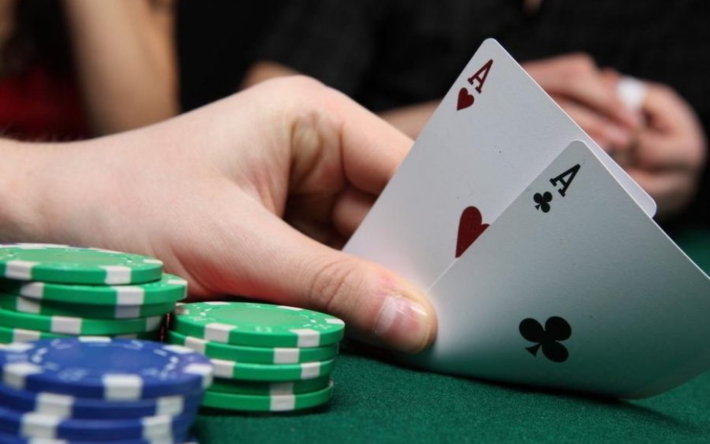
Randomness is the underlying principle that governs casino games, influencing outcomes regardless of skill. Many people underestimate the sheer power of randomness, which can lead to unexpected results that defy logic. For instance, in a game of blackjack, the shuffle of the cards introduces a level of unpredictability that can determine a player’s fate. Even the most skilled players can see their chances dwindle due to a few unfavorable hands delivered by chance. This randomness serves as a reminder that luck can shift at any moment, adding to the intensity of the gaming experience.
This randomness also extends to slot machines, which operate on complex algorithms designed to ensure unpredictable outcomes. Players may experience a thrilling win followed by a sequence of losses, illustrating how quickly luck can change in such games. Understanding the mechanics of randomness can prepare players for the inevitable swings of fortune and help them manage their expectations while gambling in a casino environment. Embracing this unpredictability can lead to a more enjoyable experience as players navigate the highs and lows of their gaming journey.
Furthermore, extensive studies and statistical analyses reveal the long-term implications of randomness in gambling. Across thousands of games, the house edge ensures that casinos maintain a profit margin over time. This reality serves as a reminder that while luck can lead to short-term wins, the inherent randomness ultimately favors the house. By appreciating the role of randomness in the casino experience, players can cultivate a more realistic outlook on their chances of success, reinforcing the importance of responsible gambling practices and setting realistic expectations.
Finding Balance: Enjoying the Casino Experience
Ultimately, finding the balance between luck and skill can enhance the overall casino experience. Embracing the element of luck can lead to a more enjoyable atmosphere, allowing players to revel in the highs and lows that come with gambling. Instead of solely focusing on winning, players can learn to appreciate the entertainment value of the games and the thrill of uncertainty. This mindset can also help mitigate the potential negative effects of gambling by fostering a healthier relationship with gaming activities, encouraging players to engage in their favorite games without the pressure of constant success.
Moreover, players can adopt responsible gambling practices to ensure they enjoy their time at the casino without falling victim to excessive risk-taking. Setting limits on time and budget while remaining mindful of the role of luck can help maintain a sense of control over the gambling experience. By treating games as a form of entertainment rather than a guaranteed path to wealth, players are likely to find greater satisfaction regardless of the outcomes. This balanced approach can lead to a more rewarding and less stressful gambling experience.
Lastly, engaging with other players and sharing experiences can amplify the enjoyment derived from luck and gaming. Whether celebrating a fellow player’s win or commiserating over a loss, social interactions enrich the casino experience while reinforcing the notion that luck is a shared journey. In this context, the casino becomes not just a place of chance, but a vibrant community where players can bond over the unpredictable nature of luck, creating lasting memories and connections that enhance their overall enjoyment.